

Top 20 Indoor Activities for Kids: Keeping Children Entertained Whatever the Weather
Rainy days don't have to mean bored children stuck in front of screens. Whether you're dealing with unpredictable British weather or simply looking for ways to keep little ones busy at home, there's no shortage of indoor activities for kids that blend fun, learning, and creativity. From active games that burn off energy to quiet crafts that spark imagination, these 20 ideas will help you turn any indoor day into an adventure.
1. Bouncy Castle Fun with Wacky World Hire
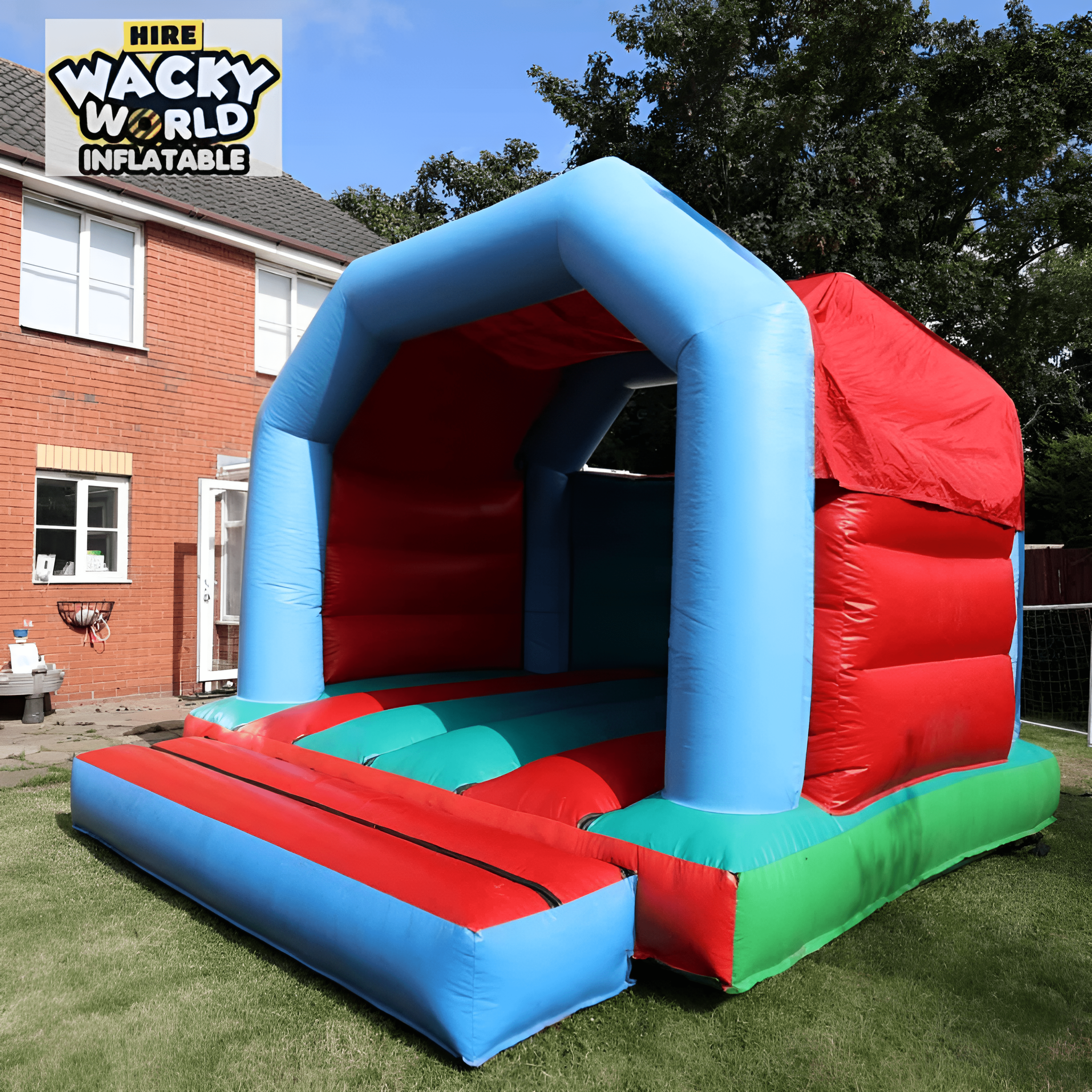
Let's start with the most exciting option. If you're planning a party or special event in Preston and want to bring outdoor excitement indoors, Wacky World Hire offers bouncy castles and inflatable entertainment that transforms any space into a playground. Their range of inflatables provides hours of active fun while keeping children safely entertained. Whether it's a birthday celebration or a rainy weekend treat, hiring an inflatable creates an instant party atmosphere that kids absolutely love.
2. Build an Epic Blanket Fort
There's something magical about creating a secret hideaway. Grab blankets, pillows, cushions, and chairs to construct an elaborate den. Children can help with the building process, which teaches problem-solving and spatial awareness. Once complete, the fort becomes a reading nook, storytelling space, or simply a cosy retreat where imaginations run wild.
3. Kitchen Science Experiments
Turn your kitchen into a laboratory with simple experiments using household items. Try the classic erupting volcano with vinegar and baking soda, or create a colourful diffusion experiment using Skittles and warm water. These activities teach scientific concepts whilst keeping children engaged and entertained.
4. Indoor Obstacle Course
Clear some space and create an obstacle course using furniture, cushions, and toys. Children can crawl under tables, hop over pillows, balance on taped lines, and weave between chairs. Time each attempt to add a competitive element, or have siblings work together to complete the course. This activity burns energy whilst developing coordination and motor skills.
5. Arts and Crafts Bonanza
Set up a creative station with paper, paints, markers, glue, and recyclable materials. Children can make greeting cards for relatives, create junk models, paint pictures, or try their hand at collage work. Cover the table with newspaper or a plastic sheet first, then let creativity flow freely. Crafting helps develop fine motor skills and gives children pride in creating something tangible.
6. Baking and Cooking Together
Getting children involved in the kitchen offers multiple benefits. Younger children enjoy mixing ingredients and measuring quantities, whilst older ones learn proper cooking techniques and kitchen safety. Start with simple recipes like biscuits or cupcakes, then progress to more complex dishes. Baking teaches maths through measuring, patience through waiting, and offers a delicious reward at the end.
7. Treasure Hunt Adventures
Create an indoor treasure hunt by hiding small toys or treats around the house and writing clues appropriate to your child's reading level. For non-readers, use picture clues or simple drawings. Each clue leads to the next location until they discover the final treasure. This activity encourages problem-solving, reading skills, and keeps children active as they search.
8. Dance Party
Clear the living room and put on favourite songs for an impromptu dance session. Try copying dance routines from music videos, create signature moves, or play musical statues. Dancing provides excellent physical activity, improves coordination, and releases endorphins that boost mood.
9. Board Games and Puzzles
Traditional board games offer quality family time whilst teaching valuable skills. Games develop strategic thinking, patience, turn-taking, and good sportsmanship. Choose age-appropriate games that everyone can enjoy, or work together on a challenging jigsaw puzzle. This quieter activity provides a nice balance after more energetic pursuits.
10. Indoor Camping Experience
Set up a tent indoors or create a camping scene with sleeping bags and torches. Tell stories, sing camp songs, and pretend you're sleeping under stars. Make it more authentic with indoor s'mores (toast marshmallows safely) and camping-themed games. This imaginative play creates memorable experiences without leaving home.
11. Playdough Creations
Playdough offers endless possibilities for creative play. Children can develop fine motor skills whilst exploring colours, counting, letter formation, and imaginative scenarios. Create ocean scenes, build animals, or construct entire miniature worlds. You can buy playdough or make your own using flour, salt, water, and food colouring.
12. Dress-Up and Role Play
Raid wardrobes for old clothes, accessories, and costumes. Children love pretending to be different characters, whether superheroes, doctors, teachers, or fantasy creatures. Role play helps develop social skills, empathy, and storytelling abilities. Create scenarios like running a shop, hospital, or restaurant to extend the play.
13. Indoor Bowling
Create a bowling alley using empty plastic bottles or toilet roll tubes as pins and a soft ball. Set up the pins, mark a throwing line with tape, and keep score. This simple game teaches aim, coordination, and basic maths through scoring. It's also easily adaptable for different age groups and skill levels.
14. Story Writing and Illustration
Encourage children to write their own stories or comic books. Younger children can dictate whilst you write, then illustrate their tales with drawings or paintings. Older children can write independently and create complete books with covers and illustrations. This activity builds literacy skills, creativity, and gives children something they're proud to share.
15. Balloon Games
Balloons provide safer indoor ball play. Try keeping a balloon in the air without it touching the floor, play balloon tennis using paper plates as rackets, or create balloon volleyball using a string as a net. These games develop hand-eye coordination and provide gentle physical activity. Just secure any breakables first!
16. Sensory Bins
Create sensory experiences using containers filled with rice, pasta, water beads, or sand. Hide small toys inside for children to discover through touch. Add scoops, cups, and containers for pouring and measuring. Sensory play supports early learning, helps with concentration, and can be particularly calming for anxious or overstimulated children.
17. Indoor Picnic
Spread a blanket on the floor and have a picnic in your living room. Let children help prepare simple foods, set up the picnic area, and perhaps invite stuffed toys as guests. This changes the routine of regular mealtimes and creates a special occasion from an ordinary day. Add storytelling or games to extend the activity.
18. Yoga and Stretching
Introduce children to yoga through kid-friendly videos or apps. Yoga poses often have animal names that make them more engaging for youngsters. Regular practice improves flexibility, balance, and provides tools for managing stress and emotions. It's also a calming activity that works well before bedtime.
19. Music Making
Create a homemade band using pots, pans, wooden spoons, and homemade shakers. Children can experiment with different sounds, create rhythms, or try to recreate favourite songs. This noisy activity (best when you can handle the volume!) develops musical awareness, rhythm, and coordination. You might also teach them simple songs or nursery rhymes.
20. Virtual Museum Tours and Educational Videos
When you need quieter time, explore virtual tours of museums, aquariums, and historical sites online. Many institutions offer interactive content designed for children. Educational videos about nature, science, or history can spark interests and answer questions about the world. Balance screen time with other activities throughout the day.
Making Indoor Activities Work for Your Family
The best indoor activities for kids balance physical movement with quieter pursuits, offer age-appropriate challenges, and most importantly, are fun. Don't feel pressured to fill every moment with structured activities. Free play, where children direct their own entertainment, builds creativity and independence.
Mix up activities throughout the day to maintain interest. Start with something energetic to burn off morning energy, follow with a craft or quiet activity, then perhaps outdoor time if weather permits before moving to another indoor option. Reading books, listening to audiobooks, or simply having conversation time all count as valuable activities too.
When planning parties or special occasions, remember that Wacky World Hire can bring the excitement directly to you with their inflatable rentals. Sometimes the simplest solution for entertaining multiple children is letting them bounce their energy away whilst you supervise safely from the sidelines.
Creating Lasting Memories
Indoor days don't have to feel limiting. With creativity and planning, they become opportunities to strengthen family bonds, teach new skills, and create happy memories. These activities cost little to nothing beyond basic household supplies, yet provide hours of entertainment and developmental benefits.
The key is staying flexible. Some activities might captivate your children for hours, whilst others might hold interest for only minutes. That's perfectly normal. Keep a mental list of go-to activities that work well for your family, and don't be afraid to abandon something that isn't working in favour of a different approach.
British weather means plenty of indoor days, but that doesn't mean boring days. Whether you're crafting, baking, building obstacle courses, or setting up a bouncy castle from Wacky World Hire, there's always a way to keep children engaged, active, and happy whatever the weather throws at you.
Frequently Asked Questions
What are the best indoor activities for toddlers?
Toddlers thrive with sensory play, simple crafts, building with blocks, playdough, and music making. Keep activities short (15-20 minutes) as their attention spans are limited. Sensory bins with dried pasta or rice, balloon play, and dancing to music work particularly well. Building blanket forts and reading books together also provide engaging, age-appropriate entertainment that supports development.
How can I keep children active indoors during bad weather?
Create an indoor obstacle course using furniture and cushions, have dance parties, play balloon games, or set up indoor bowling with plastic bottles. Yoga videos designed for children provide structured movement, whilst simple games like Simon Says or musical statues get them moving. If you're hosting a party, consider hiring inflatables from companies like Wacky World Hire to provide safe, supervised active play indoors.
What indoor activities help children learn whilst having fun?
Baking teaches maths through measuring and following instructions. Science experiments demonstrate scientific principles. Board games develop strategic thinking and social skills. Arts and crafts improve fine motor skills and creativity. Story writing builds literacy skills. Even activities like treasure hunts encourage reading and problem-solving. The best learning happens when children don't realise they're being educational.
How do I manage mess from indoor activities?
Prepare beforehand by covering surfaces with newspaper, plastic sheets, or old tablecloths. Keep wet wipes handy for quick clean-ups. Designate a specific area for messy activities like painting or playdough. Involve children in tidying up afterwards, making it part of the activity rather than a chore. Choose contained activities (like sensory bins with lids) for mess-sensitive days.
What's a good balance of screen time and other indoor activities?
Whilst some educational screen time is fine, aim for variety throughout the day. Alternate between active games, creative activities, quiet reading time, and perhaps some educational videos. The NHS recommends children get 60 minutes of physical activity daily, which can be broken into smaller chunks. Create a loose schedule mixing different types of activities to maintain interest and provide balanced development.